Alcohol is the most frequently consumed drug throughout the U.S., yet many are unaware of how long it stays, and the byproducts it produces remain present within the body. If you’re facing a work examination, legal requirements such as probation screenings, or are interested in the health effects of drinking, knowing the time alcohol remains within your body is essential to making the right decisions at the right time. Our dual diagnosis treatment approach with clinically-approved therapies helps flush out alcohol withdrawal safely.
How the Body Processes Alcohol
The chemical name of alcohol is ethanol. In the event of consumption, the body processes and removes alcohol. Most ethanol passes through the liver and is broken down by alcohol dehydrogenase, an enzyme that converts it into acetaldehyde.
Alcohol (ethanol) is absorbed quickly, approximately 20% of it through the stomach, and 80% via the small intestine. It is absorbed into the bloodstream in 30 to 90 minutes (faster with an empty stomach). The liver can metabolize 90-98 % of alcohol through enzymes; alcohol dehydrogenase (ADH) converts it into the harmful acetaldehyde. Then, an enzyme called aldehyde dehydrogenase (ALDH) reduces it into acetate then to water, as well as carbon dioxide. A small percentage (2-10 percent) remains unchanged through sweat, breath, and urine.
The typical rate of elimination is approximately 0.015 percent blood alcohol concentration (BAC) every hour. The average alcohol elimination rate is typically between 20 and 25 days (based on a 4-5-hour half-life). However, excessive or binge consumption can prolong the time significantly.
Damage During the Breakdown Process
If acetaldehyde is present in your body, even for a brief period, it may damage tissues and cells. Researchers believe that this compound is responsible to some of the harmful psychological consequences of excessive drinking.
Our Expert Rehab Services in Florida
Our team of specialists is ready to support your recovery. Call us now to learn more about our drug rehab programs and how we can assist you on your path to sobriety.
How long will alcohol remain in urine?
Alcohol is detectable in the urine test for as long as 24 hours. After drinking heavily, the urine will likely be positive for alcohol for a period of 72 hours or longer, depending on the amount consumed. Several aspects influence the detection of alcohol in urine, which include regular consumption of alcohol and the kind of test that is employed (standard test for ethanol in comparison to advanced EtG/EtS tests for metabolites).
Advanced tests for EtG/EtS could extend detection as long as an hour (or longer for frequent drinkers who are heavy or chronic), which makes them particularly helpful to monitor abstinence.
How Long Alcohol Stays in Your System
The half-life for alcohol can be roughly between four and five hours. It means that within four to five hours, half of the alcohol consumed has been eliminated from the bloodstream. The remaining alcohol detox time may require up to five half-lives (i.e. twenty to 25 hours) to cleanse thoroughly.
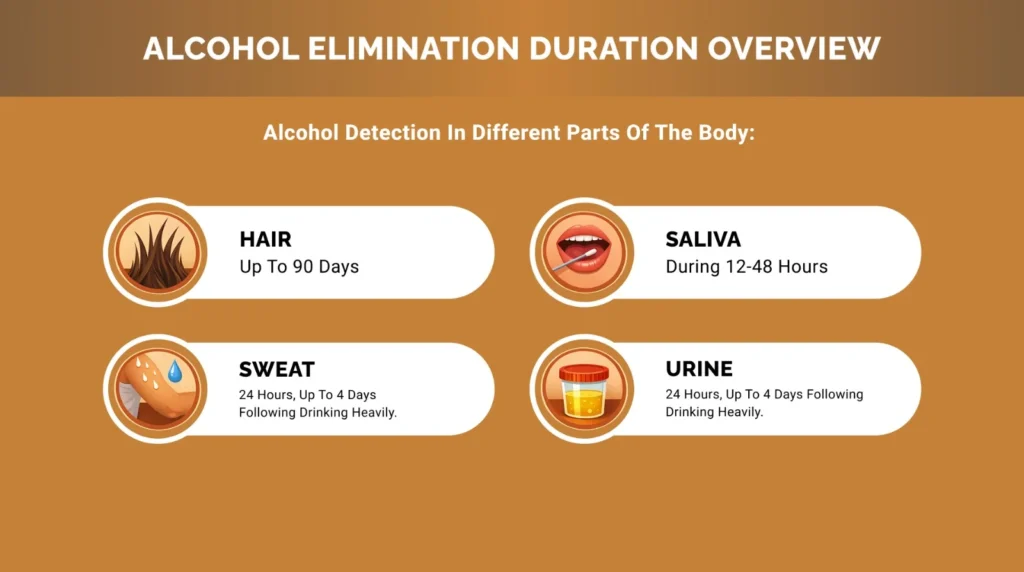
The length of time alcohol can be found in the body is dependent on the test utilized. For instance tests for blood can detect alcohol for as long as 12 hours, while Urine alcohol test and breath tests will detect the substance for between 12 and 24 hours. Specific tests may detect beyond this limit but should be used only in cases of excessive alcohol consumption.
The amount of time that alcohol remains in other parts of the body varies. It is possible to detect alcohol in these areas of the body over longer durations of time:
- Hair: up to 90 days
- Saliva: During 12-48 hours
- Sweat for 24 hours, up to 4 days following drinking heavily.
- Urine: 12-24 hours, and up to 72 hours or longer after the binge drinking.
Understanding Blood Alcohol Concentration
Blood alcohol content (BAC) (sometimes called in the form of blood alcohol levels or content) is a measurement used to determine the degree of intoxication based on the amount of alcohol in a volume of blood within the body.
The tests used to determine BAC can determine blood alcohol levels as long as 12 hours after the person has consumed alcohol.
It is usually used in legal situations to test for impaired driving or underage drinking, to determine if there is alcohol in the workplace, or to assess alcohol poisoning. In certain situations, it may also be utilized as a tool to monitor people who suffer from alcohol dependence disorder.
Different blood alcohol levels show different degrees of impairment:
- No impairment or sober: 0.0%
- Legally, 0.08 Percent
- Very impaired: 0.08-0.4%
- Alcohol poisoning: Above 0.4%.
Timing and Blood Alcohol Concentration Tests
The timing of the test will affect its accuracy. For instance, if it is done between 6 and 12 hours after the person’s previous drink of choice, tests are likely to be highly accurate, but the results may be biased.
Factors to Consider
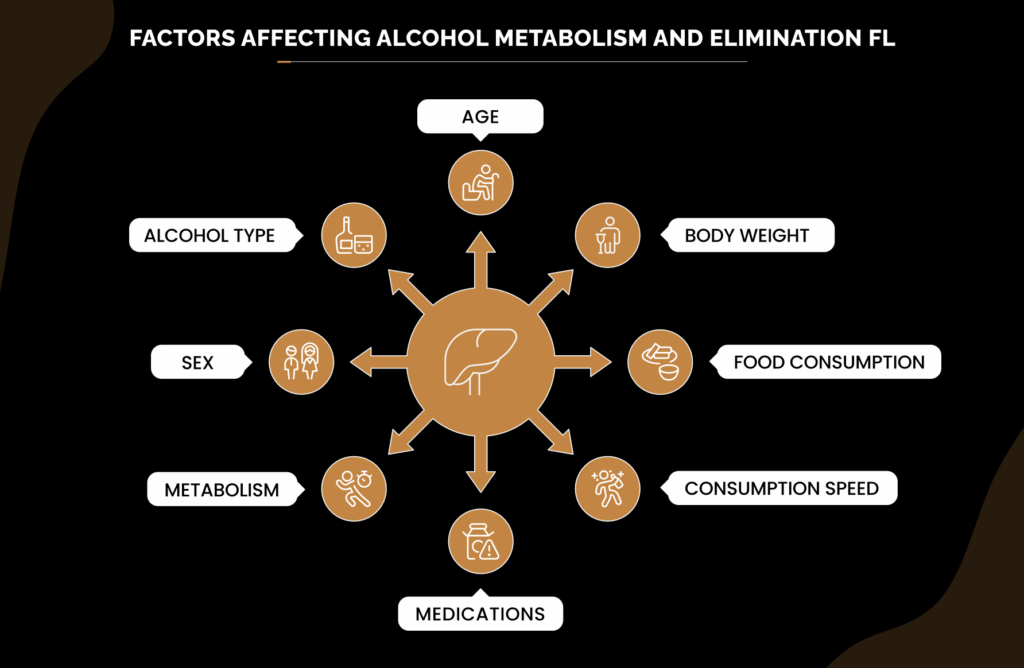
Many factors influence the speed at which alcohol is broken down within the body. This could determine how fast or slowly it is metabolized and eliminated by the human body to achieve sober living. They include:
- Age
- Body weight
- What amount of food is consumed before or while drinking alcohol
- How quickly is alcohol consumed
- Medications
- Metabolism (Alcohol metabolism)
- Sex
- The type and strength of the alcohol
Which Alcoholic Drinks Metabolize Faster Than Others?
The rate at which absorption occurs for different types of alcohol varies. A 2005 study found that spirits containing 40% alcohol absorb less into the body, while sherry, with 20% alcohol, absorbs rapidly. Other factors, like the type of alcohol it is mixed with, can also are a factor. Carbonated drinks like champagne or soda can enter the body more quickly. Consuming a large amount of carbohydrates before drinking can reduce absorption in the body.If drinking alcohol is becoming a problem, because of numerous positive tests, adverse health effects caused by acetaldehyde buildup or threshold, withdrawal-related symptoms or the impact on everyday life, professional support can make a big difference. In our Florida addiction treatment center, we provide the most compassionate, scientifically-based treatment available. This includes the medically-supervised detox process, treatment to address underlying issues as well as ongoing support for long-term recovery.
Find Support for Lasting Sobriety Near You
Need professional help overcoming addiction? Contact us today to receive your free assessment. Your journey towards a better and alcohol-free lifestyle begins here. There is no need to be alone. help is always available.
How long can alcohol be detected in urine?
Alcohol can typically be found in urine for as long as 12 to 48 hours following drinking, based on the quantity consumed and the individual’s metabolism. In certain instances, excessive drinking can result in the detection lasting up to 80 hours.
How long does alcohol take to metabolize?
On average, your body can metabolize one standard drink every hour. Still, this will vary based on various aspects like gender, age, liver health, gender, and the quantity of alcohol consumed. Drinking heavily can slow metabolism.
How long does alcohol stay in the body?
Alcohol can remain within the body for hours to several days, based on the quantity consumed and particular factors like metabolic rate and weight. It’s generally processed at about 1 standard drink per hour.
How long does it take to feel the effects of alcohol?
The effects of alcohol can be experienced within 5-10 minutes following consumption, peaking around 30 to 90 minutes. However, the exact duration may vary based on an individual’s tolerance level, the type of alcohol they consume, and if they had eaten before drinking.
Urine Testing: Does a Sip Show Up?
Alcohol in any amount even a tiny amount or a sip, will be identified on a urine test. This is due to a by-product of ethanol, Ethyl Glucuronide is created within the body after the consumption of any amount.
Can You Flush Alcohol Out?
Although you could try flushing out alcohol by drinking water, it’s not going to aid in the body’s ability to break down alcohol more quickly. The water will only aid the kidneys and liver in performing their job to flush out alcohol that is already broken down by the body.