Cocaine can affect the dopamine system in the brain, which can trigger a feeling of happiness, the cost of this short-lived satisfaction comes with serious health problems, even death. Though it’s commonly classified as an illicit drug, however, the prevalence of it has been increasing in consumption over all methods such as smoking, snorting (as crack) and injecting. The risks of using cocaine go much further than the short-lived “high” it offers.
If you’re looking to know the risks of using cocaine for yourself or a family member, this article will provide you with the risks of taking cocaine through various methods and the impact it has on the physical, mental, and even your overall health.
What Is Cocaine and How Is It Used?
Cocaine is a central nervous system stimulant that is derived from plants. Several types of cocaine include powdered cocaine (hydrochloride salt), crack cocaine (a crystallized version of cocaine), and freebase cocaine. The method by which the substance is consumed can affect its strength, duration of absorption, and its lasting effects.
- Snorting: Cocaine is swallowed through the nose, where it is absorbed through the nasal tissues.
- Smoking: crack cocaine gets smoked and heated, which allows the drug to enter the brain quickly.
- Injecting: Cocaine in liquid form is directly injected into the bloodstream, delivering the user with a powerful and instant boost.
Each method is a risk in its own way with varying severity; however, all have the risk of abuse, physical injury and even long-term repercussions.
Take the First Step Toward Sobriety with FL Rehab
Early intervention saves lives. If you take action sooner, you are more likely to achieve a successful recovery and long-term health.
Cocaine’s Effects on the Brain
Cocaine works on the brain by blocking the dopamine neurotransmitter, which play role in the reward and pleasure pathways. If dopamine increases in the brain, this causes feelings of euphoria, increased energy, and increased alertness. This artificial high could lead to a vicious habit of addiction because the brain is constantly seeking stimulation.
The rate at which cocaine is absorbed into the brain is dependent upon the mode of consumption. Smoking cocaine or injecting cocaine results in a quicker effect onset, which increases the possibility of addiction. The process of snorting cocaine, although slow, may cause the same effects on the brain.
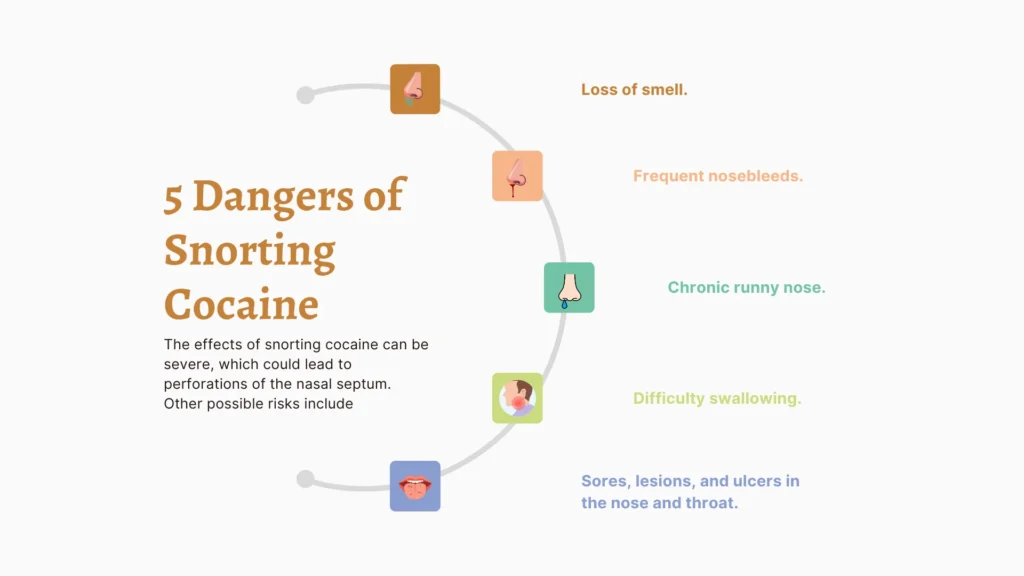
1. Dangers of Snorting Cocaine
It is less dangerous than injecting or smoking however, it can pose serious risks for both long-term and short-term health.
Short-Term Risks
- Nasal Damage: The dust can irritate the nasal passages, leading to swelling, pain, and frequent nosebleeds.
- Sinus issues: Long-term coca use can trigger sinusitis, which is a consequence of inflammation and harm to the mucous membranes of the nasal cavities.
- Greater Risk of Infection: If people are sharing pipes, straws, or any other instrument used to snort, it increases the possibility of spreading diseases, including hepatitis C, HIV, and bacteria-related infections.
Long-Term Risks
- Snorting could cause serious damage to the nasal structure and the nasal cavity, resulting in breathing problems.
- The smell of a person who has smoked cocaine may damage the sensory nerves of the olfactory system, resulting in the loss of smell or impairment of taste.
- Those who suffer from it can suffer from long-lasting sinus problems that include chronic congestion as well as inflammation.
2. Dangers of Smoking Cocaine (Crack)
The use of crack cocaine as a smoke is one of the most hazardous techniques of use since it has a powerful and instant effect on the brain. Crack cocaine is made by cooking cocaine powder with baking soda, creating an unbreakable crystal which can be inhaled.
Health Risks
- Lung damage: Smoking cracks may cause chronic respiratory problems, which can include wheezing, coughing, and shortness of breath.
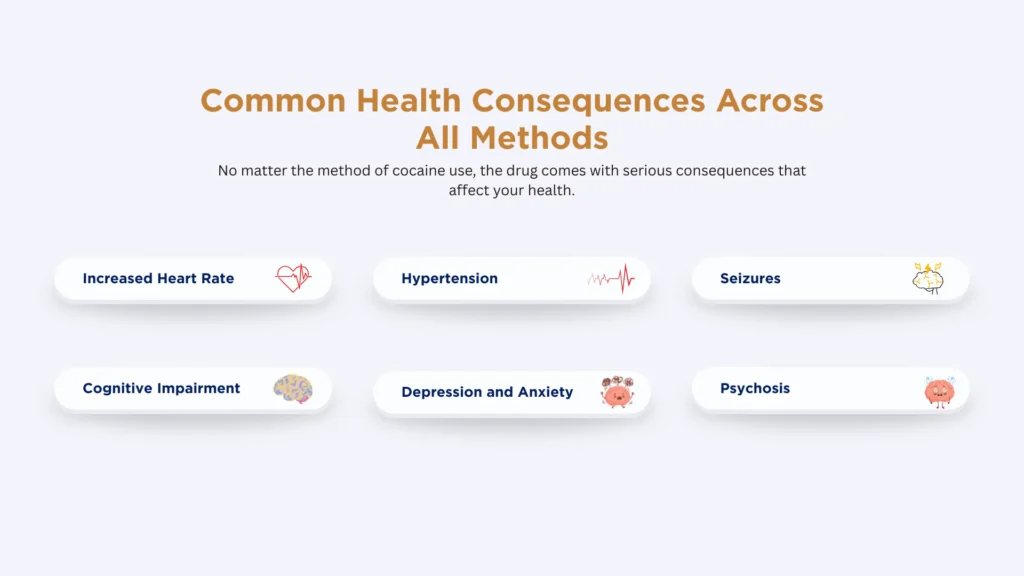
- Heart Issues: Crack cocaine dramatically increases the heart rate and blood pressure, which increases the risk of stroke and heart attack.
- Brain damage: Smoking crack can lead to rapid dopamine release that could trigger a variety of mental symptoms like anxiety, paranoia, and aggressiveness. The long-term usage of crack increases the likelihood of developing psychosis as well as memory issues.
- Abuse: Smoking crack can lead to a powerful high, which is followed by a swift slump, which triggers the desire to try the substance again.
3. Dangers of Injecting Cocaine
Cocaine injection is by far the most hazardous method for use as it is injected directly into the bloodstream, causing an immediate, intense buzz. The increased doses of cocaine may be fatal and can expose users to numerous life-threatening risks.
Health Risks
- The Collapsed Lungs injectables can create lung problems, which can include collapsed lungs as a result of their effects on the lungs when it is administered intravenously.
- Overdose: The cocaine overdose could trigger seizures, cardiac arrest, or even death due to the massive impact it has on the brain and heart.
- Infections: People who inject cocaine have a high chance of contracting HIV, hepatitis and bacterial infections, because of injections shared by needles.
- Vein damage: Injections repeatedly result in scarring and a shrinking of veins, which makes it difficult for patients to locate a good location for injection.
- Heart Infections: Cocaine injection increases the chance of contracting endocarditis, which destroys the lining of the heart, caused by infiltrating bloodstream bacteria.
Comprehensive Treatment at FL Rehab: Dual Diagnosis and More
Here at FL Rehab, we recognize that cocaine addiction can be associated with other mental health issues like depression, anxiety, or PTSD. Our dual diagnosis approach for cocaine addiction covers both substance use and mental health concerns to provide a holistic recovery.
Our team of experts can provide:
- Counseling and individual therapy
- Medical detoxification to ensure a safe withdrawal
- Cognitive behavioral therapy (CBT) and behavioral therapy (CBT)
- Networks of support and group therapy
- Planned aftercare for preventing the possibility of relapse
Conclusion
No matter the method by which it’s consumed, it can pose serious health hazards. When it’s consumed in the form of a cigarette, snort, or inhaled, the risk of addiction, heart injury, brain damage, and even death is extremely present. It is essential to seek assistance when your loved one or you suffers from addiction.
The dangers associated with cocaine don’t just stop at the instant high; long-term mental, physical and social effects can alter lives.
If you’re ready to get help, call our Florida rehab center for professional guidance and help.
Need Help with Addiction? FL Rehab is Here for You
Contact Us Today for Help. If you or someone you know is experiencing problems with cocaine addiction, there is always a helping hand near you in our rehabilitation facilities or support groups that can assist in regaining control over your mind and life.
1. What are the risks of injecting drugs?
When you inject drugs, they are introduced directly into the bloodstream, which increases the danger of infection, drug overdoses or heart-related issues. Furthermore, needle sharing can increase the likelihood of developing bloodborne diseases, including HIV and Hepatitis.
2. What is the most common adverse event from cocaine intoxication?
The most frequently occurring adverse complication caused by cocaine addiction is cardiovascular problems like heart attacks, stroke, heart attack or even severe arrhythmias.
3. What is the medical use of cocaine?
Cocaine can be used as a local anesthetic in a few ocular and nasal procedures.
4. What are three dangers associated with using illegal drugs?
Addiction and dependence, Health issues that affect the body, such as strokes, heart problems and organ dysfunction.
5. How to tell if someone is high?
The signs of intoxication with cocaine can include dilatation of the pupils, euphoria and hyperactivity.